Vermouth: The Secret Ingredient
Camille Ferrand
7 min read · 28 Jun 2024
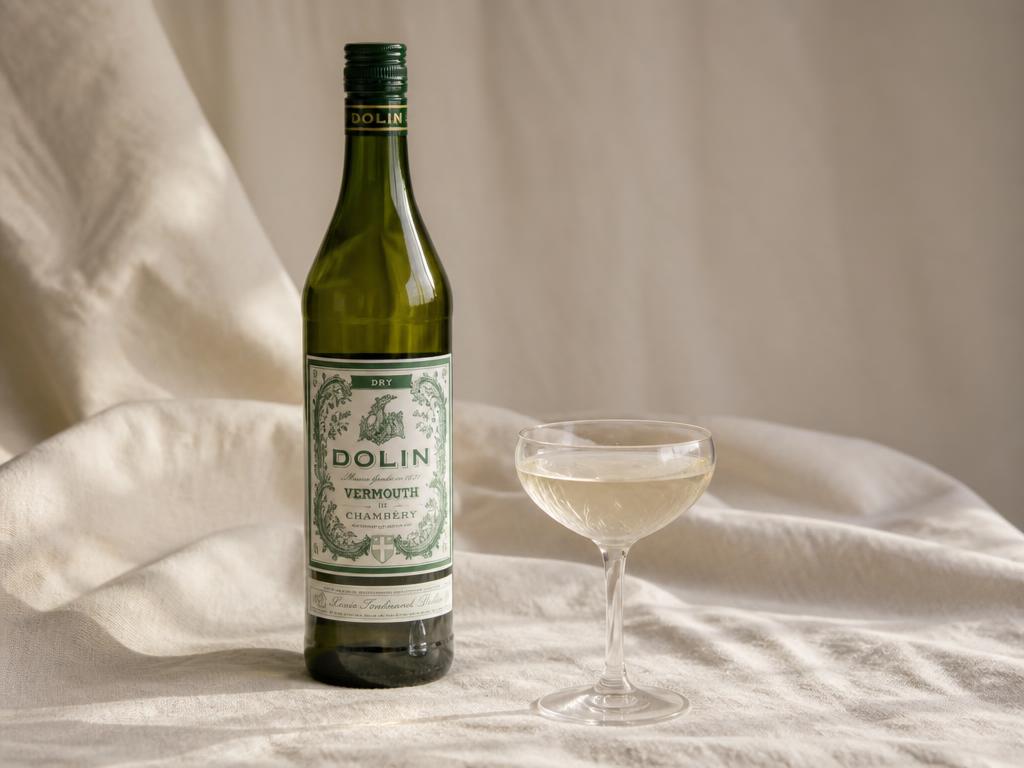
If gin is the voice of a martini, vermouth is the room it sings in. Too little and the drink is thin, all alcohol and no architecture. Too much and the botanicals of the vermouth wrestle with the botanicals of the gin, turning the cocktail into something busier than it wants to be. The secret is balance, and balance begins with understanding what vermouth actually is.
Vermouth is a fortified wine, infused with botanicals — wormwood, gentian, citrus peel, coriander, and dozens of others depending on the producer. Dry vermouth, the kind used in a classic martini, is pale, lightly sweet, and intensely aromatic. It must be refrigerated after opening; the wine base oxidizes quickly, and a stale vermouth will flatten a martini in seconds.
The famous ratio is not a law. The original Martinez of the 1880s was roughly equal parts gin and sweet vermouth. By the 1920s, the dry martini had shifted to two parts gin to one part dry vermouth. Churchill supposedly waved the vermouth bottle in the general direction of France. Today, a 5:1 or 6:1 ratio is common, though many bartenders are returning to wetter styles — 2:1 or even 1:1 — where the vermouth can actually be tasted.
My advice: start at 4:1, taste, then adjust. A good dry vermouth like Dolin, Noilly Prat, or Cocchi Americano will reward you with texture and herbal depth. Treat it as an ingredient, not a seasoning. The martini deserves nothing less.