The Olive, the Twist, and You
Camille Ferrand
5 min read · 21 Jun 2024
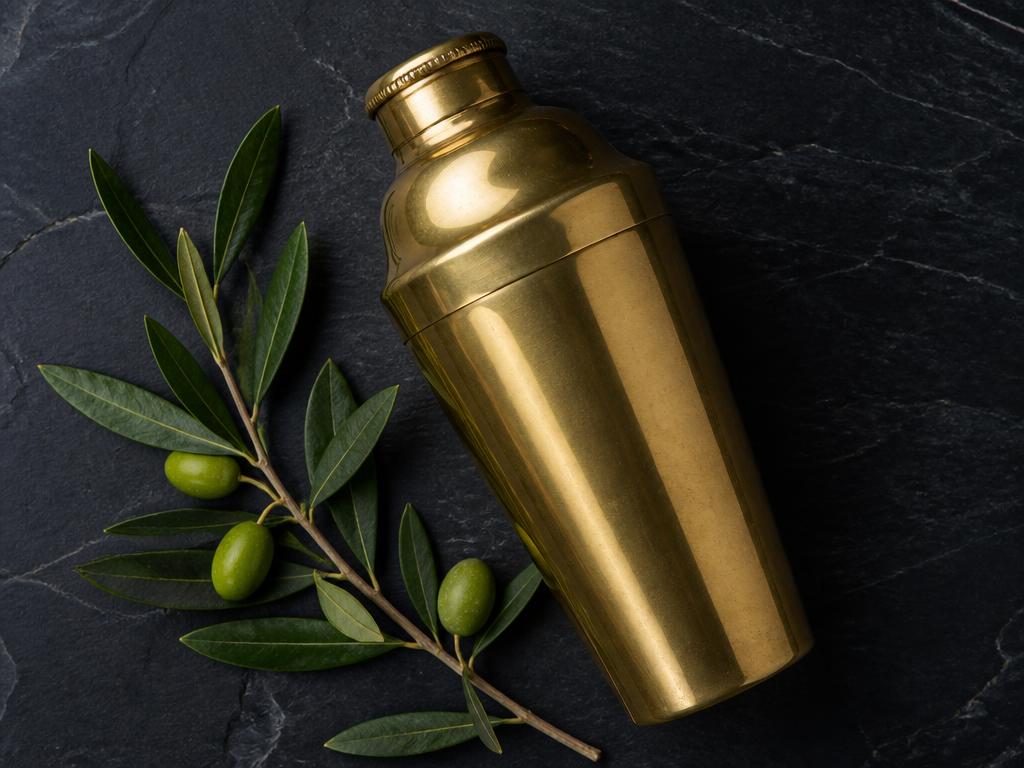
The martini is one of the few drinks where the garnish is not decoration but ingredient. Drop an olive into the glass and it releases a faint, saline oil across the surface. Run a lemon twist around the rim and the first sip arrives perfumed with citrus. The choice between the two has launched barstool debates for more than a century.
The olive came first. By the early 1900s, bartenders were garnishing martinis with a green olive, possibly borrowed from the Martinez or from the Italian tradition of serving olives with aperitifs. The olive turned the drink into a small meal, a briny companion to the dry gin. It also gave the martini its visual shorthand: the pale sphere at the bottom of the glass, visible like a moon.
The lemon twist rose to prominence later, championed by drinkers who wanted the martini to stay crisp and botanical rather than savory. A proper twist is not a slice; it is a ribbon of peel, thin enough to be pliant, with as little bitter pith as possible. Express it over the glass — a quick snap between thumb and forefinger — so the oils mist the surface, then drop it in or drape it over the rim.
Today the garnish is the final decision in a martini order. It says whether you want salinity or brightness, tradition or austerity. Some bartenders offer a pickled onion (a Gibson), a caper berry, or even a tiny sprig of rosemary. But the olive and the twist remain the two poles. Choose one, choose it deliberately, and let the drink become yours.