Gin vs. Vodka: The Divided Glass
Camille Ferrand
8 min read · 5 Jul 2024
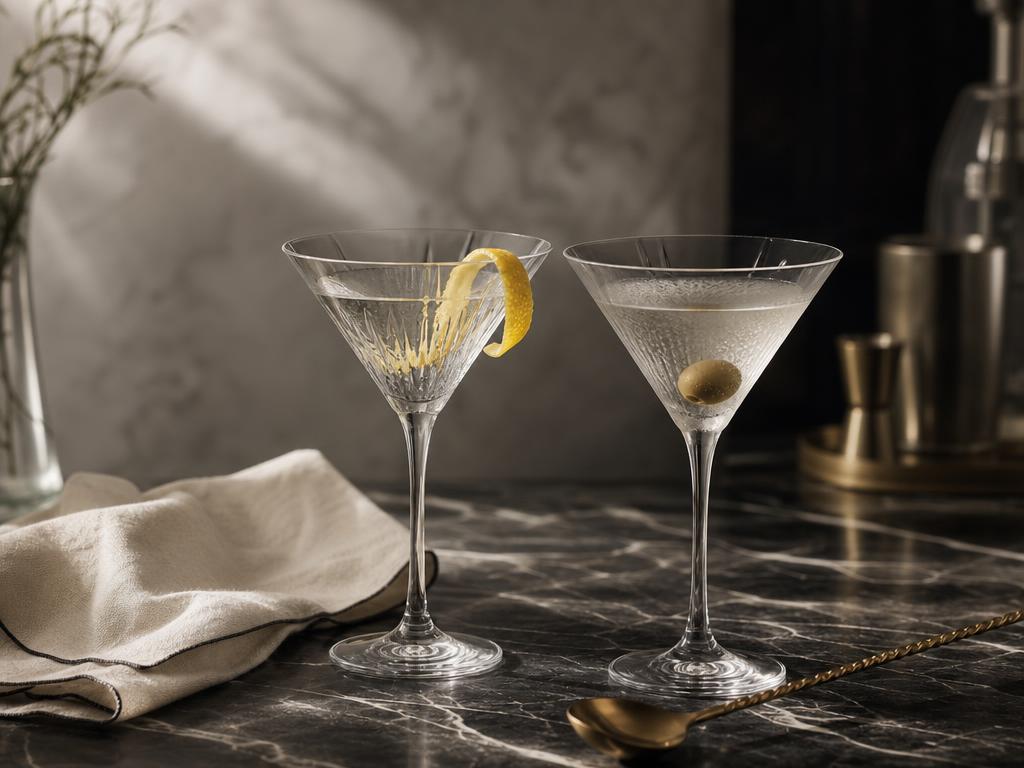
For most of its life, the martini was a gin drink. The earliest recipes — the Martinez, the Turf Club, the Marguerite — were built around the juniper-forward spirits of London and Plymouth. Gin gave the martini its spine: pine, citrus, coriander, and a dry finish that made the vermouth taste like a whispered secret.
Then came vodka. In the 1950s and 1960s, American drinkers developed a taste for spirits they perceived as cleaner and more modern. Smirnoff's famous campaign, with its slogan "It leaves you breathless," positioned vodka as sophisticated and odorless — the perfect canvas for the three-martini lunch. By the time James Bond ordered his first Vesper, vodka had become a legitimate, if controversial, martini base.
The divide is deeper than taste. A gin martini is a botanical conversation; every sip reveals something about the distiller's recipe. A vodka martini is a study in texture and temperature, a polished surface with no visible grain. Gin drinkers often find vodka martinins cold but mute; vodka drinkers find gin martinis busy, even medicinal. Both are right, in the way that preference is always right.
There are practical differences, too. Gin's oils and botanicals respond beautifully to a lemon twist, which amplifies the citrus notes. Vodka, being more neutral, pairs elegantly with an olive, whose brine gives the drink a point of view. Gin usually wants a slightly wetter ratio so the vermouth can bridge the botanicals; vodka can go drier without disappearing entirely.
So which should you choose? Order a gin martini when you want to taste the history of the cocktail — the juniper, the vermouth, the bartender's hand. Order a vodka martini when you want the drink to step back and let the occasion speak. The glass is the same. The intention is not.