The Cold Truth
Camille Ferrand
5 min read · 12 Jul 2024
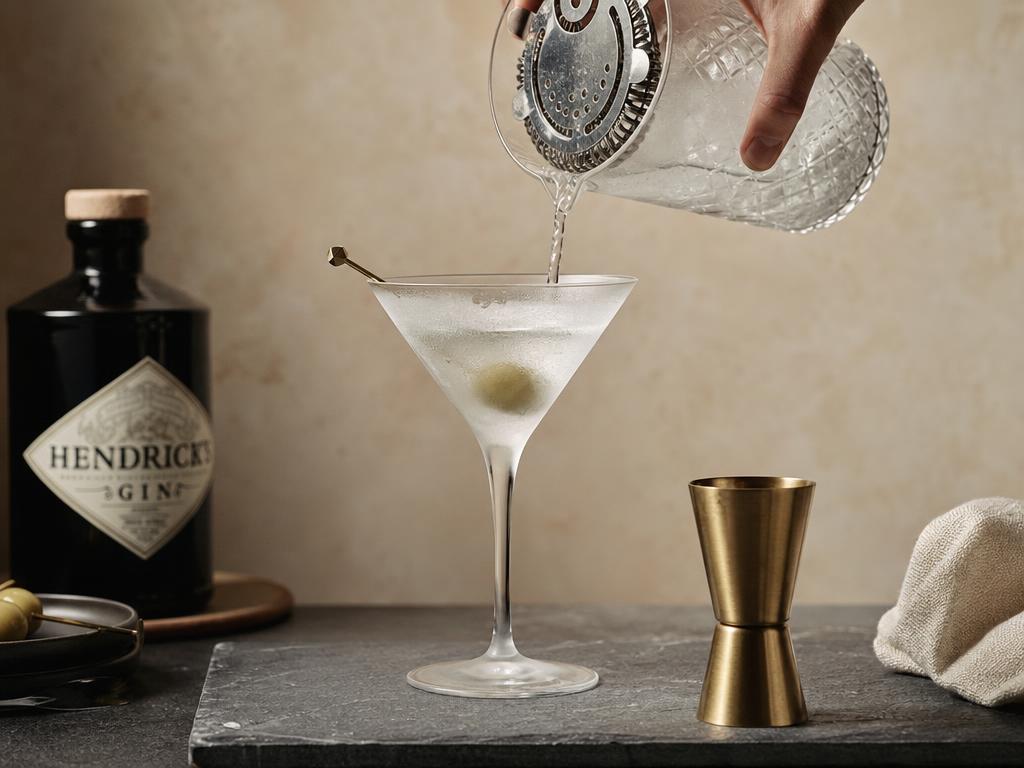
We talk about gin, vermouth, garnish, and ratio, but the martini is really a drink about cold. Cold tames the alcohol, silences the edges, and turns a mixture of spirits into something silken. A lukewarm martini is not a martini; it is a confession that something went wrong.
The glass matters more than most home bartenders realize. A room-temperature martini glass will steal chill from the drink the moment it is poured. Professional bars keep glasses in a freezer or fill them with ice water while the drink is being built. At home, I keep a small stack of coupe and V-shaped glasses in the freezer. It takes ten seconds to retrieve one, and the difference is immediate.
Ice is the other half of the equation. The goal of stirring is not just mixing but controlled dilution. As ice melts, it releases water into the drink, opening up the aromatics and lowering the proof to a sippable level. Bad ice — small, wet, half-melted — will over-dilute before the drink is cold. Use large cubes from the freezer, not the crescent-shaped remnants from an ice bucket.
Finally, serve quickly. A martini has a narrow window between too cold to taste and too warm to enjoy. Pour it, garnish it, and hand it over. Conversation can wait. The drink cannot.